We have a saying about the month of March, “It comes in like a lion, and goes out like a lamb.” This maxim refers to the weather that is still harsh like winter at the beginning of the month but is warmer and more like spring weather at the end of the month. Of course, this is not always true about the month of March since temperatures fluctuate back and forth. Yet these two weather swings still run true in the Spring.
The lion is an animal we consider to be fierce while the lamb we see as mild and gentle. It is hard for the human imagination to combine both traits into one image and person. Yet in Scripture, our Lord Jesus is called and pictured both as a lion and as a lamb, two seemingly opposing traits. There are thirty-one references to Jesus as the Lamb in the New Testament. Four of these verses are John 1:29 and 36; Acts 8:32, and 1 Peter 1:19. The great bulk of Scriptural references for Jesus as the Lamb or the Lamb of God is found in the book of Revelation. There are 27 references to Jesus as the Lamb in this last book of the New Testament. These verses vary in their context as they indicate that Jesus is the Lamb who was slain and the Lamb who is worthy of our worship. These references make plain the teaching that Jesus died on the Cross as the once for all sacrifice for our sins and that Jesus Christ is worthy of our worship because He is both fully divine and fully human.
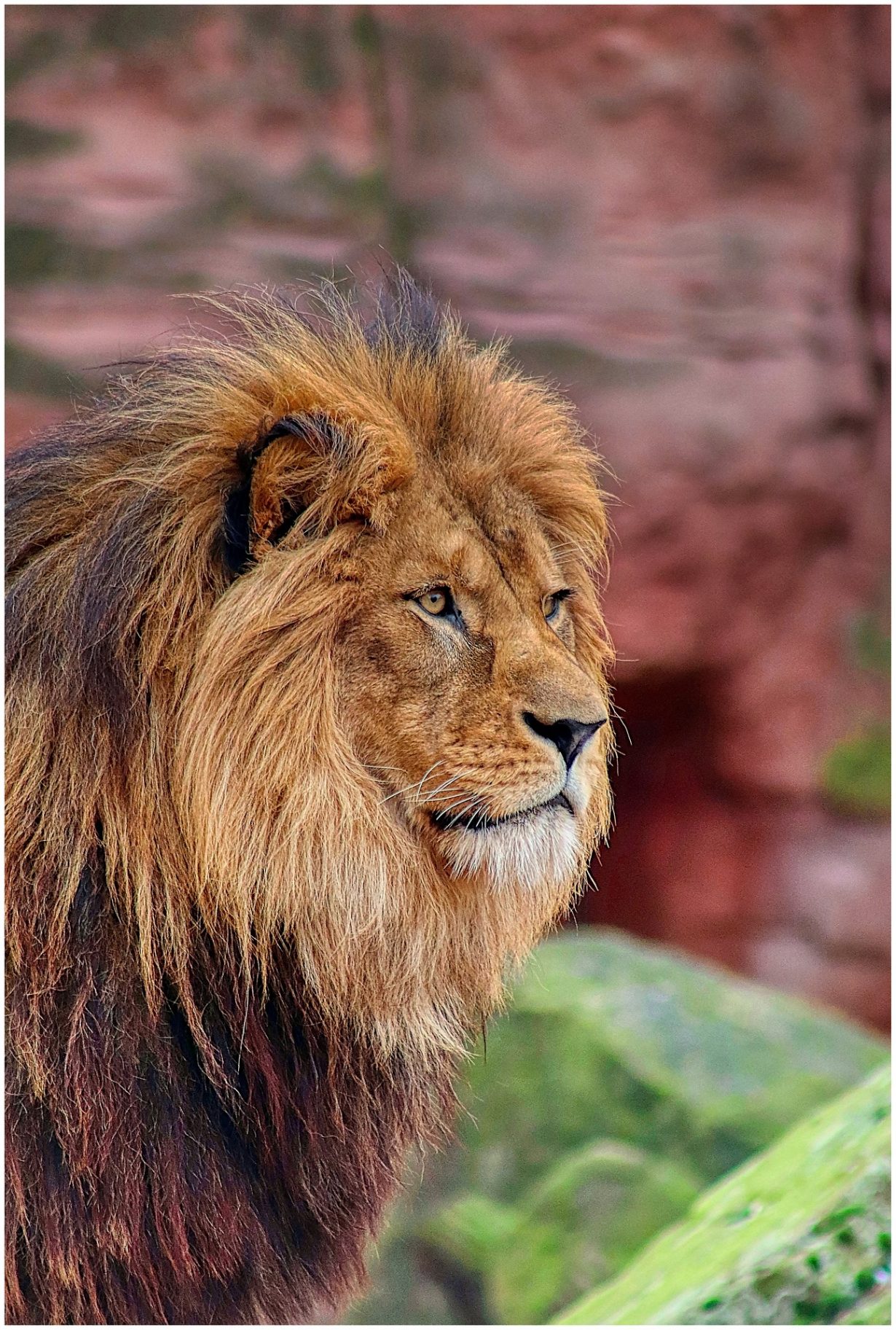
There is just one declaration where Jesus is pictured as a lion symbolizing His strength and vitality. In Revelation 5:5 John declares, “one of the elders said to me, ‘Stop weeping; behold; the Lion that is from the tribe of Judah, the Root of David, has overcome so as to open the book and its seven seals.’”
The apostle John had previously wept in Revelation 5:2-4 because no one was found worthy to open the book in God’s hand and break the seals to reveal His plan. God’s plan of redemption is accomplished in Christ’s incarnation (His becoming a man and dwelling among us), death, and resurrection. When the text says that the Lion of the tribe of Judah “has overcome” it means that Jesus Christ has defeated sin, Satan, and death by His life, death, and resurrection. He alone is worthy to open the scroll. The commentators in the ESV Study Bible say, “The Lion is worthy to open the scroll because He has conquered. The OT promise of a conquering Lion is fulfilled in the NT reality of one who is also the slain Lamb.”
Satan will not be finally destroyed until he is cast into the lake of fire at the return of Christ, but through Christ’s life, death, and resurrection, He has already overcome the powers of Satan. This teaching of Christ’s victory over sin, Satan, and death are revealed in these Gospel passages: Luke 10:17,18; John 12:31-33; John 16:11. Christ’s worthiness to open the book and break the seals is dependent upon the victory He accomplished in His incarnate life. If He had not come in humility as the Suffering Savior, He would not have been able to come as the conquering Messiah. It then makes sense that Jesus as the Lamb of God suffered for our sin achieving reconciliation with God for us. As the Lion of Judah, He conquered the kingdom of Satan and darkness for us, that we might be His adopted children forever. Jesus is both the Lamb of God and the Lion of Judah!